
 Jerry Roberts

The foreign exchange market is one of the most active financial markets, where currencies are exchanged against one another based on changing economic and market conditions. For individuals interested in Forex Trading, understanding currency movements, trading platforms, analysis methods, and risk management can provide a useful foundation for approaching the market in a structured way.
In This Article
- Understanding the Forex Market
- Currency Pairs
- Modern Trading Platforms
- Charting and Technical Analysis
- Order Management
- Risk Management
- Developing a Trading Approach
- Conclusion
Understanding the Forex Market
The forex market operates through currency pairs, with one currency being valued against another. When traders study a currency pair, they are examining the relative strength or weakness of two currencies.
Currency prices can change because of interest-rate expectations, inflation, economic growth, employment conditions, political developments, and global market sentiment. These factors can influence demand for particular currencies and contribute to price fluctuations.
Because the market can move quickly, traders generally need to monitor changing conditions and maintain a clear trading plan.
Currency Pairs
Currency pairs are commonly divided into major, minor, and exotic categories. Major pairs generally involve highly traded currencies and attract substantial market attention. Minor pairs combine major currencies without including the United States dollar, while exotic pairs typically combine a major currency with a currency from a smaller or emerging economy.
Each category can have different levels of liquidity, volatility, and trading costs. Understanding these differences can help traders select instruments that fit their knowledge and preferred approach.
Modern Trading Platforms
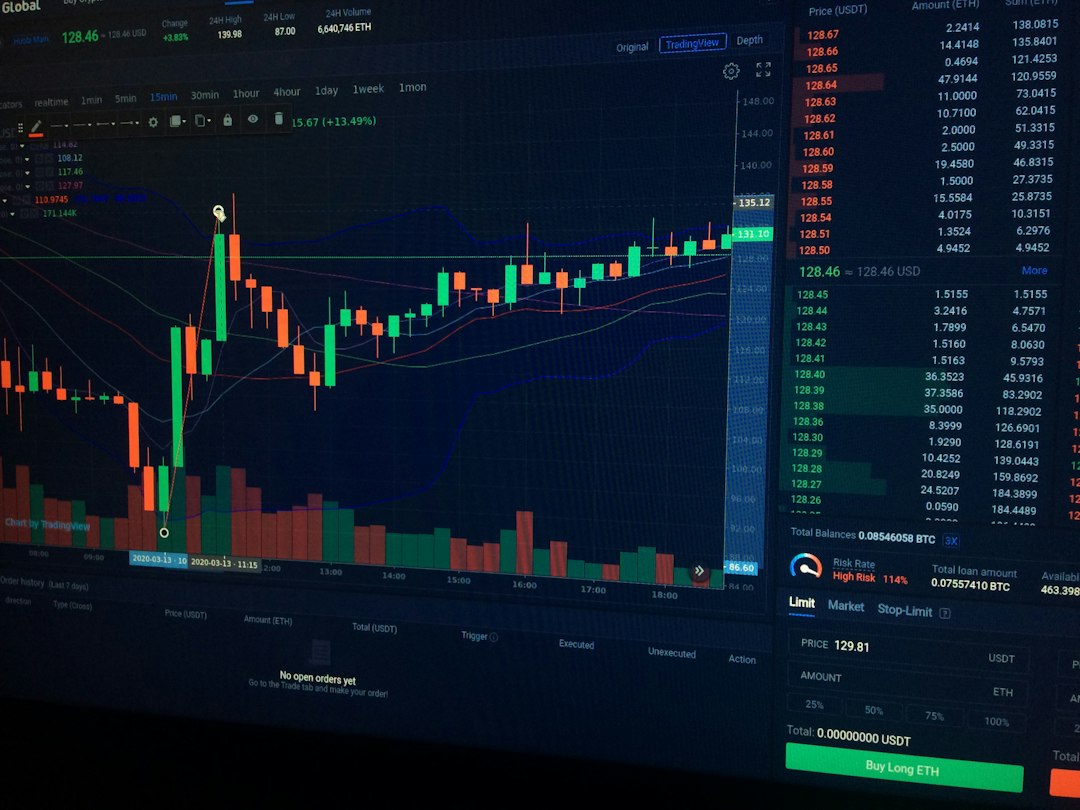
A trading platform provides the main workspace for analyzing markets and managing positions. Modern platforms can combine price charts, technical indicators, order management features, and market information within one environment.
A well-organized platform can make it easier to monitor selected currency pairs and review price movements across different timeframes. Traders may also customize chart layouts and arrange frequently used tools according to their individual preferences.
Platform flexibility can be especially useful for traders who follow multiple instruments or use different analytical methods.
Charting and Technical Analysis
Charts help traders visualize price movements and identify possible trends, support areas, resistance levels, and changes in momentum. Different timeframes can provide different perspectives on the same market.
Technical indicators may also be used to examine momentum, volatility, trend direction, and other characteristics. However, indicators should not be treated as guarantees of future price movements.
A simple and focused analytical setup may be easier to understand than a chart filled with excessive signals. Traders can develop their approach gradually by studying how different tools respond under various market conditions.
Order Management
Modern platforms also provide functions for opening, modifying, and closing trading positions. Understanding order types is important because different orders may serve different purposes.
Before entering a position, traders should know their intended entry level, potential exit point, and acceptable level of risk. Having a defined plan can help reduce emotional decisions when markets become volatile.
Regularly reviewing previous trades can also help traders understand which decisions were effective and where improvements may be needed.
Risk Management
Risk management is a central part of responsible forex participation. Currency markets can experience rapid price changes, and leverage can increase both potential gains and potential losses.
Traders should consider position size, margin requirements, leverage, and overall market exposure before opening a position. Setting reasonable risk limits can help prevent one unsuccessful trade from having an excessive impact on an account.
Diversifying attention across several currency pairs does not automatically eliminate risk. Instruments can sometimes respond to similar economic developments, creating related exposure.
Developing a Trading Approach
Successful market participation requires more than access to advanced tools. Traders need knowledge, preparation, discipline, and an understanding of their own objectives.
Some participants may focus on short-term movements, while others may study longer-term trends. Regardless of timeframe, maintaining consistent analysis and keeping accurate records can help create a more organized process.
Continuous learning is also important because currency markets are influenced by changing economic and financial conditions.
Conclusion
Forex trading combines currency markets, analytical methods, trading platforms, and risk management within a constantly changing environment. Modern platforms can make market monitoring and position management more convenient by bringing important tools together in one workspace.
However, technology alone cannot guarantee successful results. A disciplined approach, careful analysis, realistic expectations, and responsible risk management remain essential for anyone seeking to understand and participate in the foreign exchange market.
Key Takeaways
- The foreign exchange market operates through currency pairs, assessing the relative strength or weakness of two currencies.
- Currency prices are affected by interest-rate expectations, inflation, economic growth, employment conditions, political developments, and global market sentiment.
- Trading platforms consolidate tools for analyzing markets and managing positions, enhancing the trader’s workspace efficiency.
- Order management functions on modern platforms enable traders to open, modify, and close positions with defined entry and exit points.
- Risk management is crucial in forex trading, where leverage can amplify both gains and losses, necessitating careful consideration of position sizes and acceptable risk levels.
- Successful trading requires knowledge, preparation, discipline, and continuous learning to adapt to changing market conditions.





Treasury yields retreat: Is this the best time to invest?
Treasury yields retreat as Fed official comments impact markets. Discover what this means for your investments today.